_edited.jpg)
Best Soil for Pecan Trees in Arizona
- May 7
- 3 min read
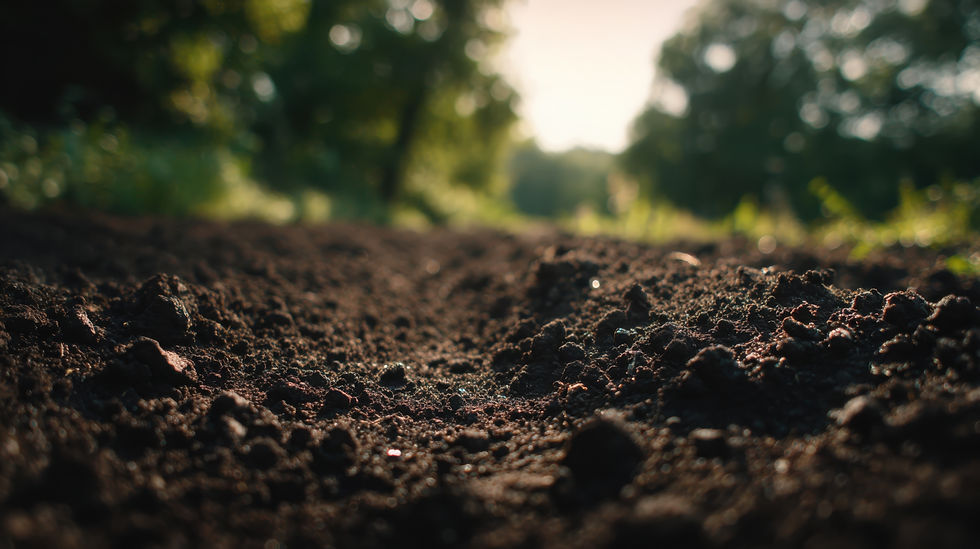
Growing healthy pecan trees in Arizona begins with one critical factor: soil quality. While pecans are known for their resilience and longevity, producing high-quality nuts consistently requires the right soil conditions, especially in Arizona’s unique desert and high-temperature climate. So let's dive in to discover the best soil for pecan trees in or near Camp Verde, Arizona.
At Verde Valley Pecans, we work closely with local growers throughout the Verde Valley and understand firsthand how proper soil management can improve tree health, water efficiency, and overall pecan production.
Why Soil Matters for Pecan Trees
Pecan trees are deep-rooted, long-living trees that rely heavily on healthy soil structure to access nutrients and water. Poor soil conditions can lead to slow growth, weak yields, nutrient deficiencies, and increased stress during Arizona’s hot summers.
The right soil helps:
Promote strong root development
Improve water retention and drainage
Increase nutrient availability
Support consistent pecan production
Reduce disease and stress on trees
Ideal Soil Conditions for Pecan Trees
1. Deep, Well-Drained Soil
Pecan trees develop extensive root systems and perform best in deep soils that allow roots to grow freely. Ideally, soil should be at least 5–6 feet deep without hardpan or restrictive layers.
Good drainage is essential. While pecans need consistent moisture, standing water can damage roots and reduce oxygen availability.
Best soil types include:
Sandy loam
Silty loam
Loamy alluvial soils
These soil types are commonly found in river valleys and agricultural regions throughout parts of Arizona, including areas near Camp Verde.
2. Soil pH
Pecan trees generally prefer a soil pH between 6.0 and 7.5.
Arizona soils are often naturally alkaline, which can reduce the availability of important nutrients like zinc and iron. Soil testing is essential to determine whether amendments are needed.
If pH levels become too high:
Nutrient uptake decreases
Leaf yellowing may occur
Tree growth can slow
3. Organic Matter
Healthy organic matter improves:
Soil structure
Moisture retention
Microbial activity
Nutrient cycling
Adding compost or other organic matter can significantly improve Arizona soils, especially in sandy or compacted soils.
Mulching around trees can also help regulate soil temperature and reduce moisture loss during extreme heat.
Common Soil Challenges in Arizona
Arizona growers face several unique soil-related challenges:
Alkaline Soil
Many Arizona soils contain high levels of calcium carbonate, leading to elevated pH levels.
Salt Accumulation
Mineral buildup from irrigation water can create salinity issues over time, stressing pecan trees and reducing productivity.
Compacted Soil
Heavy equipment or poor soil management can limit root growth and water penetration.
Low Organic Content
Desert soils often lack the organic material needed to support long-term soil health.
Importance of Soil Testing
One of the best investments a pecan grower can make is regular soil testing.
Testing provides insight into:
Nutrient levels
pH balance
Salinity
Organic matter content
Understanding these conditions allows growers to make informed decisions about fertilization, irrigation, and soil amendments rather than relying on guesswork.
Irrigation and Soil Work Together
Even the best soil will struggle without proper irrigation management. Arizona’s dry climate makes efficient watering essential for healthy pecan production.
Healthy soils:
Hold moisture more effectively
Reduce water waste
Support deeper root systems
Combining proper irrigation with healthy soil management creates stronger, more resilient orchards capable of producing high-quality pecans year after year.
Supporting Local Growers
At Verde Valley Pecans, we believe strong orchards begin with strong foundations. Through our orchard services and grower support efforts, we work with local farmers to improve orchard health, increase productivity, and preserve Arizona’s agricultural traditions.
Healthy soil is not just about growing better pecans—it’s about sustaining productive land for future generations.
Final Thoughts
The best soil for pecan trees in Arizona is deep, well-drained, nutrient-rich, with a balanced pH and healthy organic matter. While Arizona’s climate presents challenges, thoughtful soil management can dramatically improve tree health, harvest quality, and long-term orchard success.
Whether you’re planting a few backyard trees or managing a larger orchard, investing in your soil is one of the most important steps you can take toward growing thriving pecan trees in Arizona.
Looking to Learn More?
Follow the Verde Valley Pecans blog for more growing tips, orchard best practices, and updates from local growers throughout the Verde Valley.


Comments