
_edited.jpg)
How to Care for Pecan Trees in Arizona

Pecan trees are an important part of the Verde Valley landscape. Some have been growing here for generations, providing shade, beauty, and an annual harvest of one of the Southwest’s most treasured crops.
While mature pecan trees can appear remarkably self-sufficient, healthy and productive trees benefit from consistent care throughout the year.
Understanding pecan tree care in Arizona means paying attention to a few key things: healthy soil, deep watering, proper nutrition, thoughtful pruning, and regular observation.
Whether you have one tree in your yard or several on your property, these simple practices can help support healthy growth and long-term productivity.
Pecan Tree Care in Arizona Starts With Healthy Soil
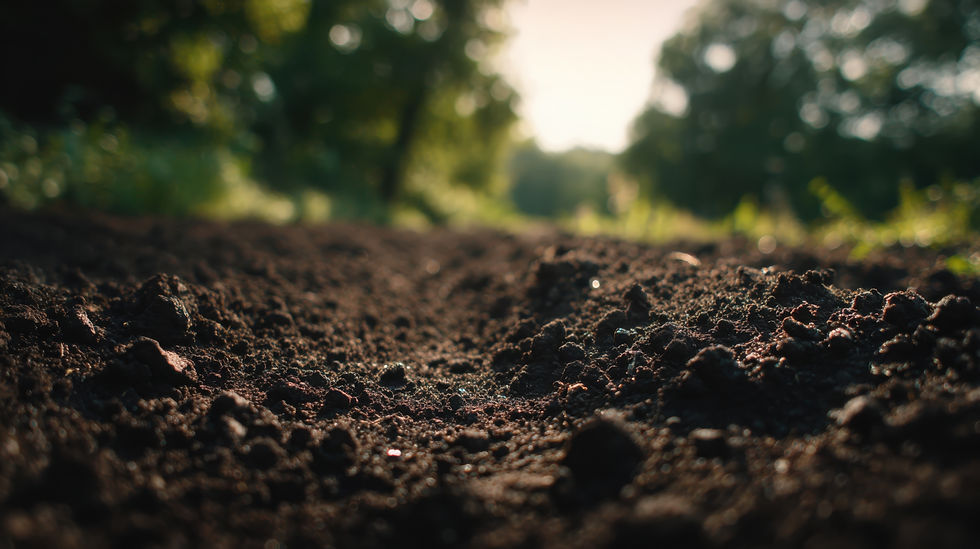
Healthy pecan trees begin below the surface.
Pecans prefer deep, well-drained soil where their roots can access both moisture and oxygen. Good drainage is especially important because roots that remain waterlogged can become stressed.
Arizona soils also tend to be alkaline, which can affect how well trees absorb certain nutrients.
Before adding fertilizer or soil amendments, a soil test can be helpful. Testing can provide information about:
Soil pH
Salinity
Nutrient levels
Organic matter
Overall soil condition
For growers managing several trees, leaf tissue testing can provide additional insight into what nutrients the trees are actually absorbing.
Protect the Root Zone
A mature pecan tree has an extensive root system that reaches far beyond the trunk.
Help protect it by:
Avoiding unnecessary soil compaction from vehicles or heavy equipment
Keeping mowers and string trimmers away from the trunk
Avoiding deep cultivation beneath the canopy
Maintaining healthy organic matter
Controlling excessive weed competition
Watering a broad area beneath and beyond the canopy
Organic mulch can also help conserve moisture and moderate soil temperature.
Keep mulch several inches away from the trunk rather than piling it directly against the bark.
Water Deeply
Water is one of the most important parts of caring for pecan trees in Arizona.
Pecans need deep irrigation rather than frequent shallow watering around the trunk.
The goal is to wet the root zone thoroughly so the tree is encouraged to develop deep, healthy roots.
How often a pecan tree needs water depends on:
Soil type
Tree size and age
Temperature
Rainfall
Irrigation method
Soil depth
Seasonal conditions
Sandy soils generally dry more quickly and need more frequent irrigation, while heavier loam and clay soils retain moisture longer.
Instead of relying only on a calendar, check how deeply the water is actually penetrating the soil.
A damp surface does not necessarily mean the tree has received enough water.
Summer Watering Matters
Pecan trees need consistent moisture during the heat of summer, especially while nuts are developing.
Late-summer watering is particularly important because the kernel inside the shell is still filling.
Water stress during this period can contribute to poorly filled nuts and reduced harvest quality.
Fertilizing Pecan Trees
Pecan trees use a considerable amount of nutrients to support foliage, new growth, and nut production.
Two nutrients are especially important for pecans grown in Arizona:
Nitrogen and zinc.
Nitrogen
Nitrogen supports healthy foliage and shoot growth.
Fertilizer is generally applied as the tree enters its active growing period in spring. Depending on the tree and soil conditions, fertilizer may be divided into more than one application rather than applied all at once.
More fertilizer does not always mean better growth.
Too much can create excessive leafy growth and waste nutrients.
A soil test or leaf analysis is the best way to determine what a tree actually needs.
Zinc
Zinc is particularly important for pecan trees in Arizona because alkaline soils can make it difficult for roots to absorb.
Possible signs of zinc deficiency include:
Small leaves
Pale or yellowing foliage
Shortened growth between leaves
Clusters of leaves near branch tips
Reduced shoot growth
Dieback in severe cases
Commercial growers often address zinc through foliar applications during active spring growth.
For homeowners with large mature trees, treating the entire canopy may require professional equipment. Testing and professional guidance are preferable to guessing.
How and When to Prune Pecan Trees
Pecan trees generally do not need heavy annual pruning.
For mature trees, pruning should focus on maintaining health and structure rather than dramatically reshaping the canopy.
Branches may need to be removed if they are:
Dead
Broken
Diseased
Crossing or rubbing
Poorly positioned
Creating a safety concern
Young pecan trees can also be trained to develop a strong central trunk and well-spaced branches.
When Is the Best Time to Prune?
Winter dormancy is generally a good time for significant structural pruning.
During this period, the tree has dropped its leaves and its branch structure is easier to evaluate.
Broken or hazardous branches may need attention at other times.
Large mature pecan trees can become extremely tall. Work high in the canopy or involving large limbs is best handled by a qualified arborist.
Watch Your Tree Throughout the Year
One of the easiest ways to care for a pecan tree is simply to observe it regularly.
Walk beneath the canopy and pay attention to changes.
Look for:
Unusual yellowing
Browning leaf edges
Small or misshapen leaves
Broken branches
Sparse foliage
Premature nut drop
Signs of insect activity
Sudden decline in one part of the canopy
Not every insect or damaged leaf means treatment is necessary.
Often, the first step is identifying the problem and understanding its cause.
Good watering, healthy soil, and proper nutrition can help trees tolerate environmental stress and many common problems.
Keep the Area Beneath Your Pecan Tree Healthy
The condition of the soil beneath the tree plays an important role in long-term health.
Organic materials can help replenish the soil over time.
Leaves, compost, wood chips, and other appropriate organic material can improve soil structure,
protect moisture, and support beneficial soil life.
At Verde Valley Pecans, we believe in allowing resources from the land to continue serving the land whenever possible.
Pecan husks can be composted. Tree branches can become wood chips. Organic material can return to the soil rather than automatically becoming waste.
These small practices help support the larger ecosystem surrounding the tree.
A Simple Seasonal Pecan Tree Care Guide
Winter
Inspect the tree • Prune damaged or problematic branches • Consider soil testing • Check irrigation systems
Spring
Watch for bud break • Begin irrigation as needed • Evaluate fertilizer and zinc needs • Observe new growth
Summer
Water deeply • Maintain mulch • Watch foliage and developing nuts • Monitor tree health
Fall
Observe the harvest • Gather fallen nuts • Watch for damaged branches • Evaluate the year's growth
Caring for Pecan Trees for the Long Term
Healthy pecan trees are the result of steady care rather than one dramatic treatment.
Good soil, adequate water, proper nutrition, careful pruning, and regular observation all contribute to the health of the tree.
Here in the Verde Valley, many pecan trees have been growing for decades.
Caring for them is about more than producing a harvest. It is also about preserving a part of our local landscape and supporting trees that may continue providing shade, habitat, and pecans for generations to come.
If your pecan trees are beginning to produce, the next step is learning how to support the developing crop and recognize when your pecans are ready to harvest.
Comments